Table of Contents
- Pin by marcos morgado on Maps in 2024 | Alternate history, History ...
- The Bloom | West Backs Off After Nuclear Warning | NATO-Russia ...
- 2024 NATO Summit Road Closure Maps | mpdc
- ISW Blog: Russian Offensive Campaign Assessment, May 26, 2024
- Hope Reignited: NATO's Potential Role in Upholding Security - Ukraine ...
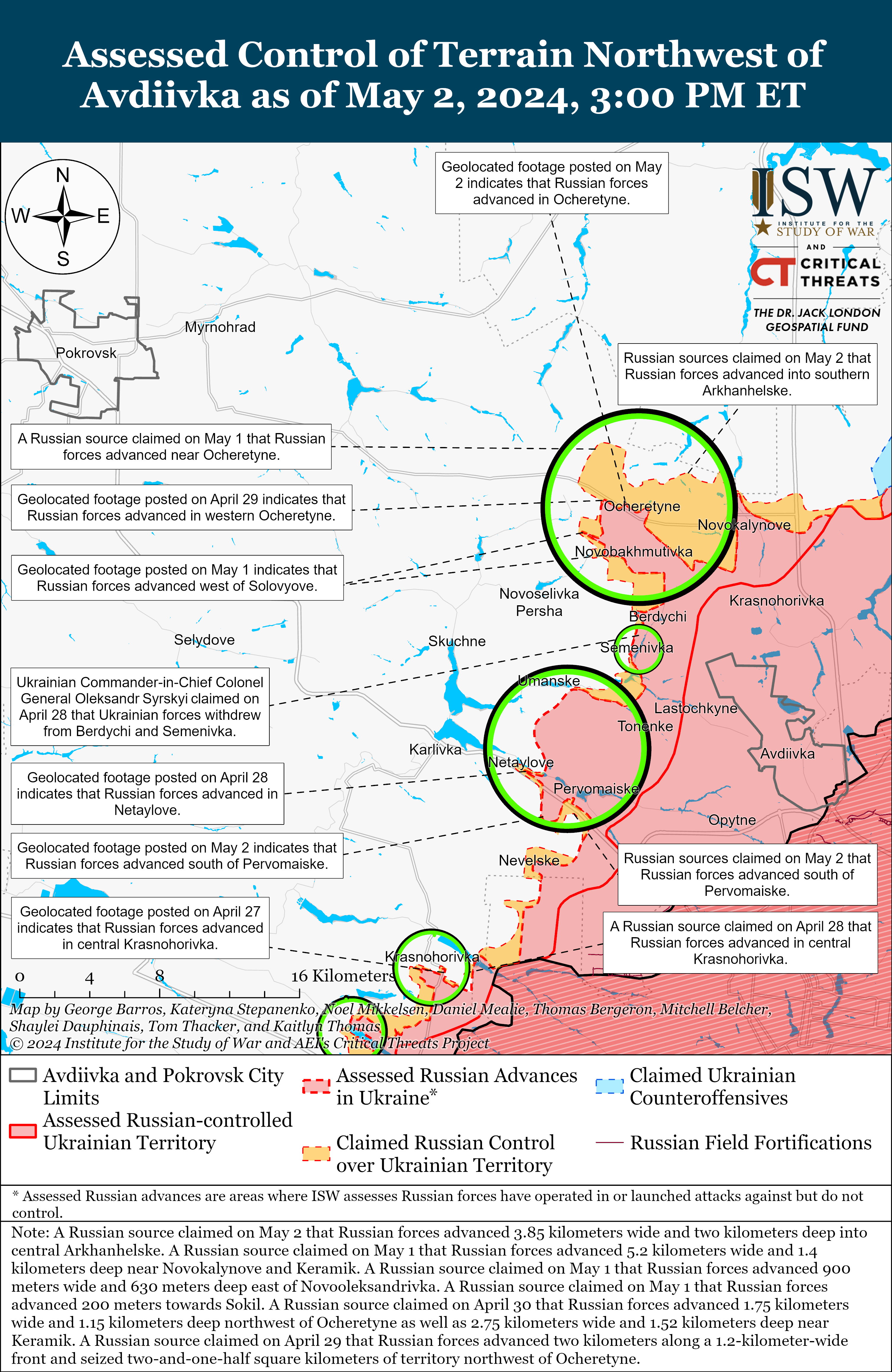
- Russian Offensive Campaign Assessment, May 2, 2024 | Critical Threats
- 2025 Nato Map - Aurie Shaylyn
- Nato Map 2024 - Nerti Yoshiko
- Geheimdienst-Analyse aus Berlin – Putin-Angriff auf Nato ab 2026?
- MAP 2024 Válečné umění generála Gerasimova přivádí ukrajinské generály ...


The first map, depicting the NATO alliance in 1990, shows a relatively small coalition of Western nations, primarily consisting of North American and European countries. At that time, NATO's membership was limited to 16 countries, with its primary focus on countering the Soviet Union's influence in Europe. Fast forward to the present day, and the second map reveals a drastically different picture. NATO has undergone significant expansion, with its membership now comprising 30 countries, including several former Soviet republics and Eastern European nations.

NATO's Growth: A Strategic Response to Global Challenges

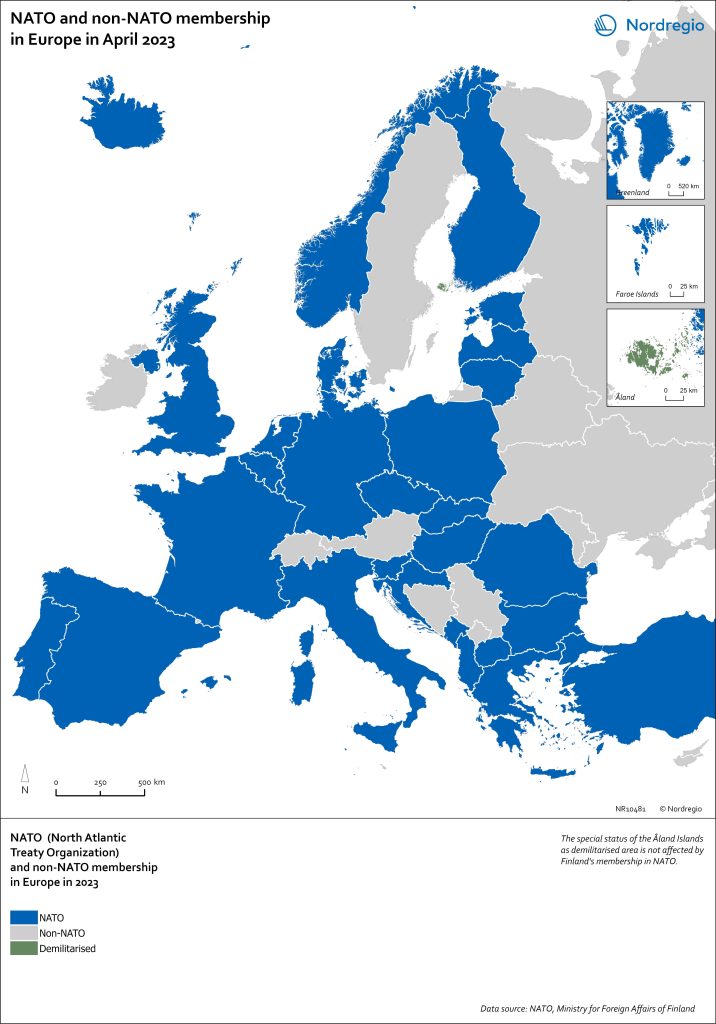
The inclusion of countries such as Poland, the Czech Republic, and the Baltic states has significantly expanded NATO's territorial reach, creating a buffer zone between Russia and Western Europe. This strategic expansion has also facilitated cooperation on issues like counter-terrorism, cyber security, and energy security, ultimately strengthening the alliance's ability to address emerging global challenges.

Russia's Isolation: A Consequence of Geopolitical Miscalculations

The annexation of Crimea in 2014, the ongoing conflict in Ukraine, and Russia's involvement in the Syrian Civil War have all contributed to its growing isolation. The imposition of economic sanctions by Western nations, coupled with the decline of global oil prices, has further exacerbated Russia's economic woes, limiting its ability to project power and influence globally.

Conclusion: A New Era of Geopolitical Competition
The two maps highlighting NATO's expansion and Russia's isolation since 1990 serve as a visual reminder of the significant shifts in the global geopolitical landscape. As the world enters a new era of great power competition, understanding these developments is crucial for navigating the complexities of international relations.By examining the growth of NATO and the decline of Russia's influence, we can gain valuable insights into the drivers of global change and the evolving nature of international security. As the global landscape continues to shift, it is essential to remain informed about these developments, recognizing the opportunities and challenges they present for nations, alliances, and the global community as a whole.
In conclusion, the expansion of NATO and the increasing isolation of Russia are two interconnected trends that have significantly impacted the global geopolitical landscape since 1990. As we move forward, it is crucial to continue monitoring these developments, recognizing the implications they have for international security, cooperation, and the pursuit of global stability.